Archive for February, 2014

February 28, 2014

Ask LA Screenwriter: Breaking Into TV Writing

We’re doing something new over here at LA Screenwriter. If you have any specific questions about screenwriting, the film industry, or life in general, send them to [email protected], and I’ll do my best to answer.

This week’s question comes from Kat. She writes:

First off, I have to say I just recently stumbled upon your site and I think it’s awesome. So much to work with/so much fascinating information! It’s very inspiring.

So I guess my question is about specifically TV writing. I took a Comedy TV writing class in graduate school and really enjoyed it. What direction would you send someone new to writing it? Read lots of scripts? Read a specific book? Write a spec script for an existing show?

Writing for television and writing for film are parallel, related worlds, but they play by their own sets of rules.

Screenwriting can be done from virtually anywhere in the world (though most writers still recommend moving to LA if you can), but to succeed in television, you really do need to move to Los Angeles. There’s no getting around it. It’s true that some shows shoot in other locations like New York, Vancouver, and Georgia, but almost all of the writing is done in LA. You have to come here to start making connections, meet the right people, and apply for low level jobs on TV shows.

That’s the next step: do whatever it takes to get in a writing room. Become an actor’s assistant, work as a production assistant on any show you can get on, or if you can find a way, get a job as an assistant in a writer’s room. This final position is just one step away from getting hired to write on the show.

The key components of making this leap are 1) pitch good material in the room whenever you’re given the chance and 2) make friends with everyone. In film, producers don’t always mind hiring writers who are jerks because they don’t have to spend much time with them (but you should still be nice!). This isn’t the case in TV. In TV, the person who hires you is going to be the showrunner and/or the head writer. It’ll be someone who has to work with you every day, so you damn well better make sure they like you.

Parallel to these steps, you need to write both a spec script and a pilot. Specs show that you’re able to take on the voice of a show you didn’t create, and pilots show that you’re able to develop original, exciting story ideas. Here’s a lot of great advice on that topic: Writing for Television — Lessons Learned at GAPF.

Once you have a solid spec and pilot, enter contests, submit to agents, and do whatever you can to get your material in the hands of people who can help. Do your research to make sure the contests you enter are worth the fee and that the agents you’re querying work with TV writers.

Another great way to break into television is by writing a play. There are dozens of small theaters in LA that are always looking for new plays, and television producers frequent these theaters looking for budding talent. There are also special theater projects like Unscreened that produce plays by four new writers every year. It’s a different medium that you’ll have to research and learn, but plays have key ties with teleplays. If the other avenues aren’t working well for you, give this one a try.

Got a question? Email it to [email protected]. Please use the subject: Ask LA Screenwriter

February 28, 2014

Quote of the Day: Erica Jong

Everyone has talent. What is rare is the courage to follow the talent to the dark places where it leads.

February 27, 2014

Quote of the Day: Syd Field

Do all good screenplays fit the paradigm? Yes. But that does not make them good screenplays, or good movies. The paradigm is a form, not a formula.

February 26, 2014

Screenwriter Profile: Harold Ramis

AMERICAN FILM FESTIVAL IN DEAUVILLEThe Writer:

Harold Ramis passed away a few days ago, and the world got a little less funny. You probably remember Ramis as one of the Ghostbusters, but you may not know that Ramis co-wrote the Ghostbusters script in addition to many of the most iconic comedies of the 70s, 80s, and 90s. Ramis was the comic genius behind such films as Animal House, Stripes, Caddyshack, and Groundhog Day. Our profession doesn’t get much better than Harold Ramis. He will be missed.

February 26, 2014

Quote of the Day: Harold Ramis

I always claim that the writer has done 90 percent of the director’s work.

February 25, 2014

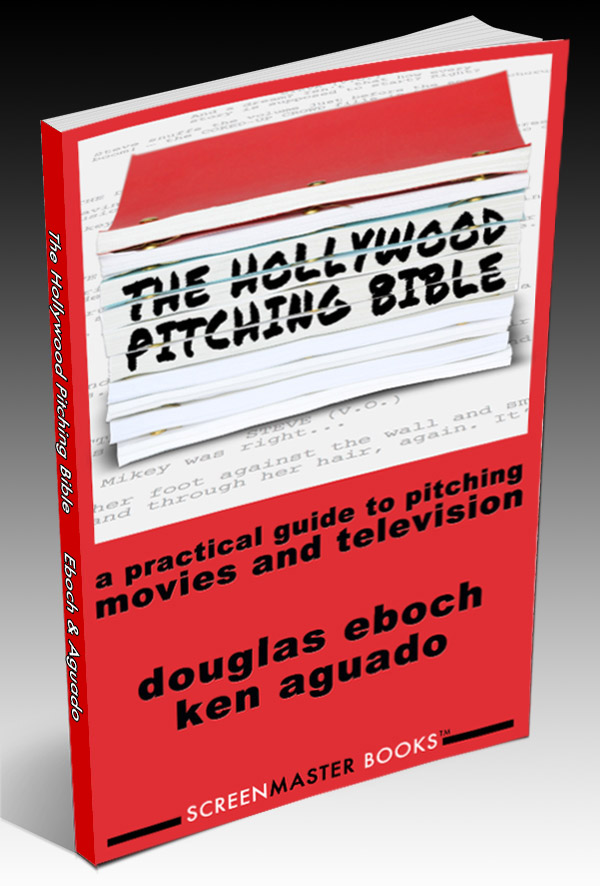
Why You Should Read ‘The Hollywood Pitching Bible’

THPBimageby Angela Guess

[Note: Ken & Doug are coming out with a new, expanded version of the book. Check out their article about the additions here.]

Every once in a while, someone with a new screenwriting book or seminar or product asks me to write a review. Unfortunately, I often have to decline after trying the product or reading the book.

This is not one of those cases.

When I was asked to read The Hollywood Pitching Bible by Douglas Eboch and Ken Aguado, I was intrigued — there are a plethora of books about screenwriting itself, but I haven’t seen many specifically about pitching. I was suspicious that Douglas and Ken might simply regurgitate run-of-the-mill advice, but after reading the first chapter, I was hooked.

The authors have put together a guide that is straightforward, insightful, and full of practical advice that both novice and professional screenwriters can benefit from. They cover everything from developing story ideas to how to behave in an actual meeting. Both feature and television pitches are covered, but an emphasis is placed on feature pitches. The Hollywood Pitching Bible is a book you can read in a few nights, and the knowledge you’ll gain will stay with you throughout your career.

February 25, 2014

Quote of the Day: Joseph Joubert

Genius begins great works; labor alone finishes them.

February 24, 2014

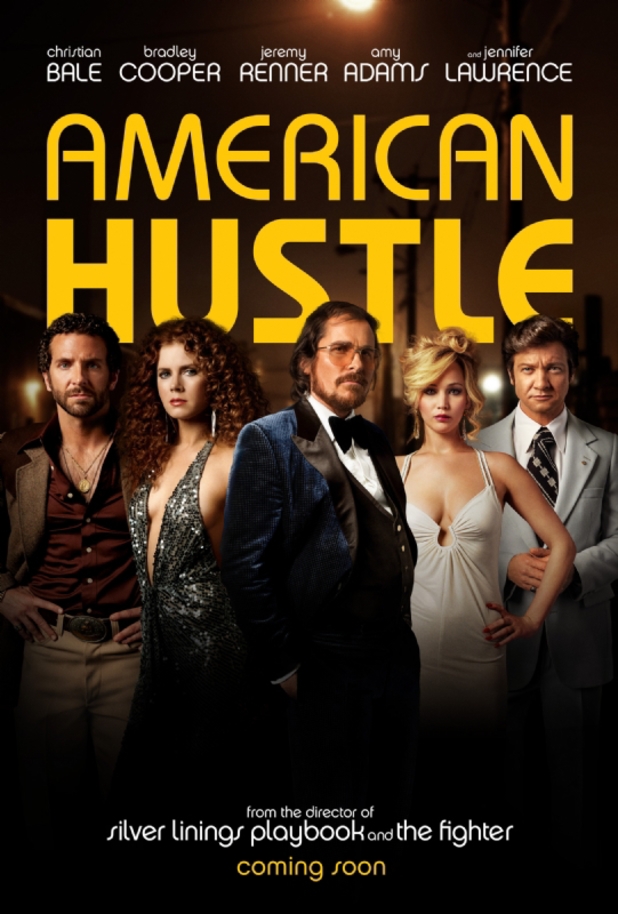
American Hustle Script

american-hustle-poster-2

The American Hustle script was written by Eric Warren Singer and David O. Russell.

February 24, 2014

Quote of the Day: Vincent van Gogh

Great things are not done by impulse, but by a series of small things brought together.

February 21, 2014

Ask LA Screenwriter: Choosing Great Character Names

We’re starting a new column here at LA Screenwriter. I was reading that great Dear Abby article yesterday, and I got to thinking that a lot of screenwriters would probably benefit from an open advice column.

So if you have a question about structure or formatting or your gay neighbors — I’m open to any questions you’ve got — send me an email at [email protected], and I’ll do my best to give you a clear, concise response.

To start things off, let’s address a pretty common question:

How do I come up with great character names?

This is a question that plagues every writer. Coming up with a name that is unique but also memorable can be an aggravating challenge.

There are no hard and fast rules when it comes to naming your characters. Sometimes the names really matter, and sometimes they don’t. If you’re writing a love story between two characters, for example, your audience may leave the film not remembering what the characters names were and not caring. All that matters is that it was a story of Boy meets Girl (or Girl meets Girl or Boy befriends Boy or what have you.)

On the other hand, if you’re writing an action script or an ensemble comedy where characters spend a lot of time talking about each other, character names become crucial.

Here are a few rules of thumb to help you come up with great character names: