Archive for November, 2013

November 22, 2013

Recommendation: Jameson First Shot Competition

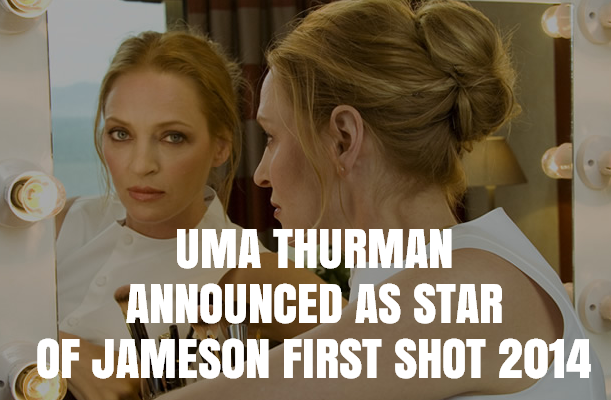
CaptureThe deadline for the Jameson First Shot competition is around the corner on January 2. This screenwriting competition is a rare chance to have your script professionally produced and starred in by a well-known actor. This year, the actor is Uma Thurman.

In previous years, the competition was not open to residents of California, but the rules have changed. Entry is free, and if you win, you’ll get to direct your own production.

This competition has some very specific rules in terms of script length and content, so be sure to review those carefully before you start writing. The contest states:

We’re looking for more outstanding writer/directors to enter the 2014 competition, where we will be offering an incredible opportunity; giving people a ‘first shot’ in the film industry by having their short film produced by the Academy Award-winning Trigger Street Productions and giving them the chance to direct Uma Thurman in the leading role.

In order to enter you must be from South Africa, Russia or the US (now including California!), be at least 25 years-old, and write a script of no more than seven pages based on one of three themes (‘Legendary’ OR ‘Humorous’ OR a ‘Very Tall Tale’).

I don’t know of any other contests quite like this one. Good luck!

November 22, 2013

Quote of the Day: Robert Frost

It begins with a lump in the throat, a sense of wrong, a homesickness, a lovesickness. It is never a thought to begin with.

November 21, 2013

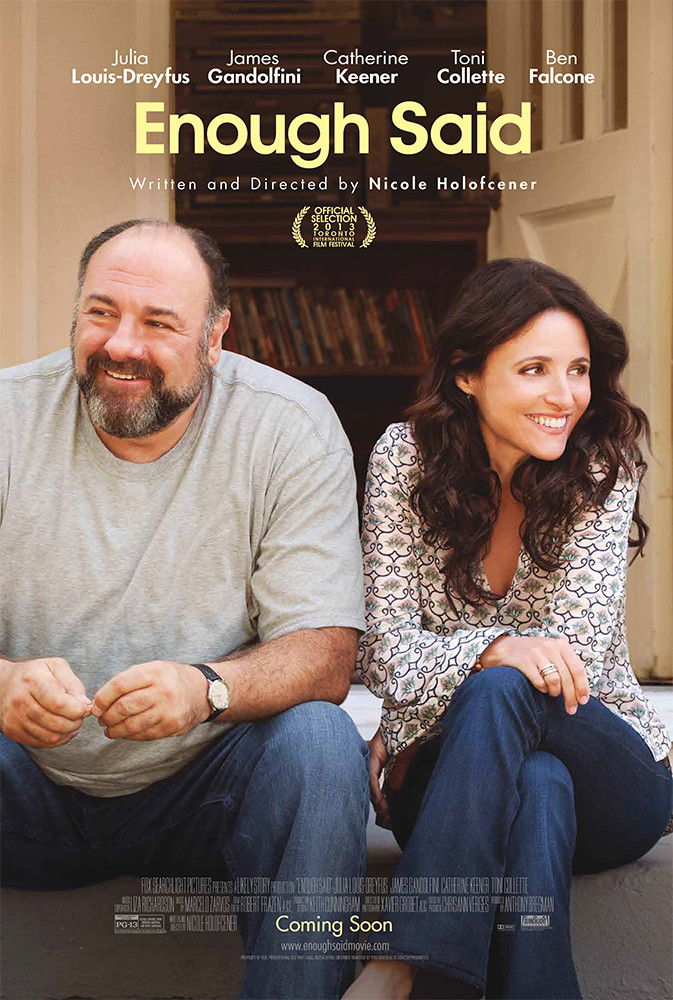
Enough Said Script

original

The Enough Said script was written by Nicole Holofcener.

November 21, 2013

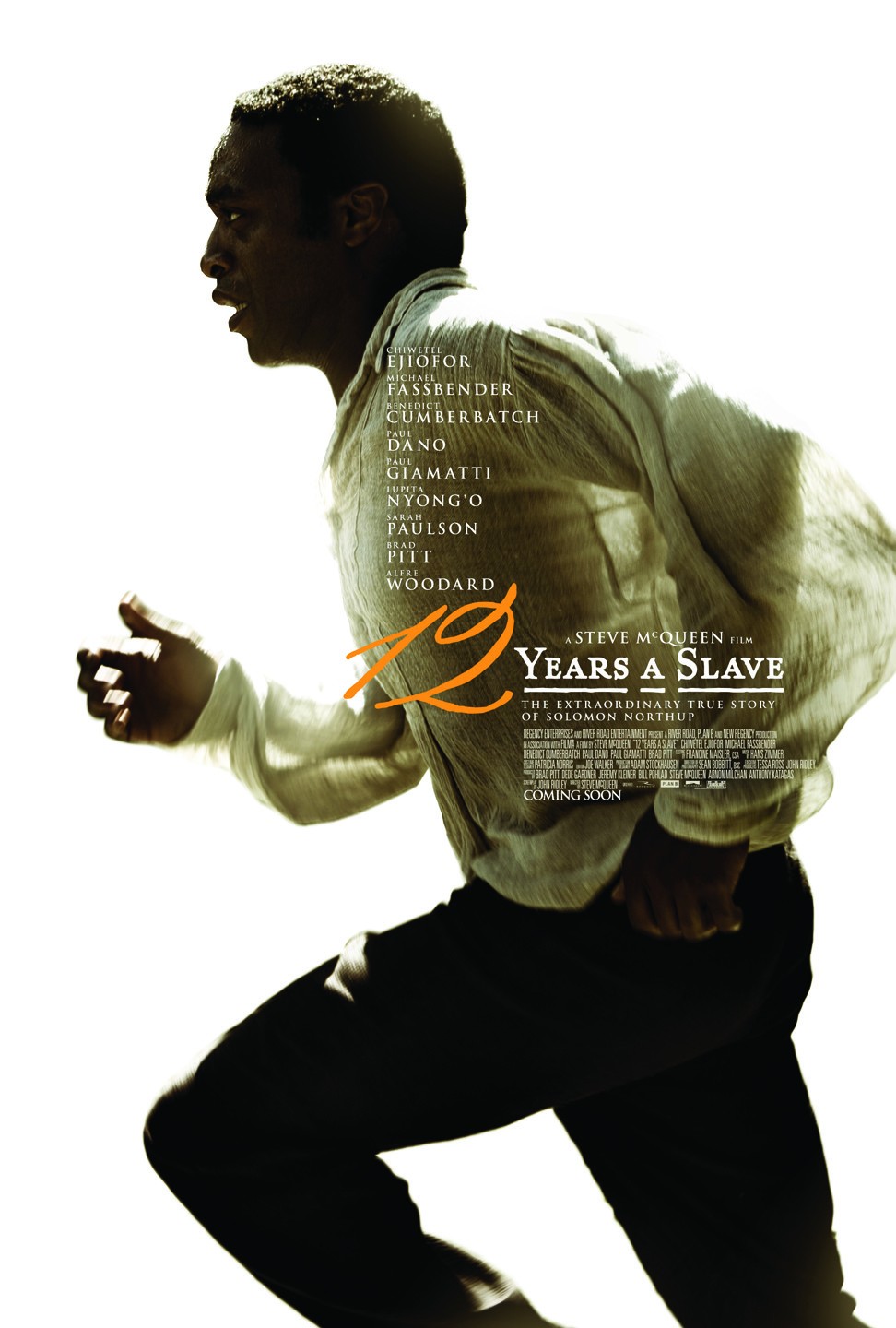
12 Years a Slave Script

twelve_years_a_slave_xlg

The 12 Years a Slave script was written by John Ridley.

November 21, 2013

Quote of the Day: William Grass

Getting even is one reason for writing.

November 20, 2013

Hemingway on How to Be a Writer

My beloved Brain Pickings has done it again. This time, Maria Popova has found a wonderful excerpt from Hemingway on Writing, in which Hemingway poses as “Your Correspondent,” answering the questions of “MICE” (aspiring writers.) Granted, mice is not the most flattering name Hemingway could have chosen for young writers, but perhaps with his knowledge we will one day graduate to correspondents. Hemingway writes:

MICE: How can a writer train himself?

Y.C.: Watch what happens today. If we get into a fish see exactly what it is that everyone does. If you get a kick out of it while he is jumping remember back until you see exactly what the action was that gave you the emotion. Whether it was the rising of the line from the water and the way it tightened like a fiddle string until drops started from it, or the way he smashed and threw water when he jumped. Remember what the noises were and what was said. Find what gave you the emotion; what the action was that gave you the excitement. Then write it down making it clear so the reader will see it too and have the same feeling that you had. That’s a five finger exercise.

November 20, 2013

Quote of the Day: Ernest Hemingway

Listen now. When people talk listen completely. Don’t be thinking what you’re going to say. Most people never listen. Nor do they observe.

November 19, 2013

Honoring Syd Field: The Master of Screenplay

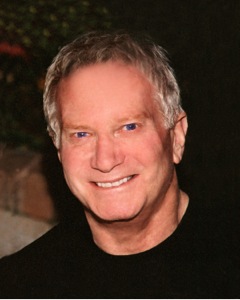
SydField_4x5Syd Field has passed away, and the writing world is mourning his loss. William Yardley of The New York Times has written a particularly poignant obituary for the legendary man:

The term “plot point” appeared in The New York Times fewer than 10 times during the century or so before 1979. Since then, it has appeared more than 200 times.

Syd Field in an undated photo. Mr. Field’s work served as a reference for James Cameron, Judd Apatow, Tina Fey, Frank Darabont and scores of other successful screenwriters

This book, published in 1979, was widely regarded over the next three decades as the “bible” of screenwriting.

It happens that 1979 was the year Syd Field published “Screenplay: The Foundations of Screenwriting,” a book that over the next three decades became widely regarded as the “bible” of screenwriting, the paperback enabler of Hollywood dreams.

November 19, 2013

Quote of the Day: Syd Field

But over the years, I’ve learned not to believe too much in luck or accidents; I think everything happens for a reason. There’s something to be learned from every moment, every experience we encounter during the brief time we spend on this planet. Call it fate, call it destiny, call it what you will; it really doesn’t matter.

November 18, 2013

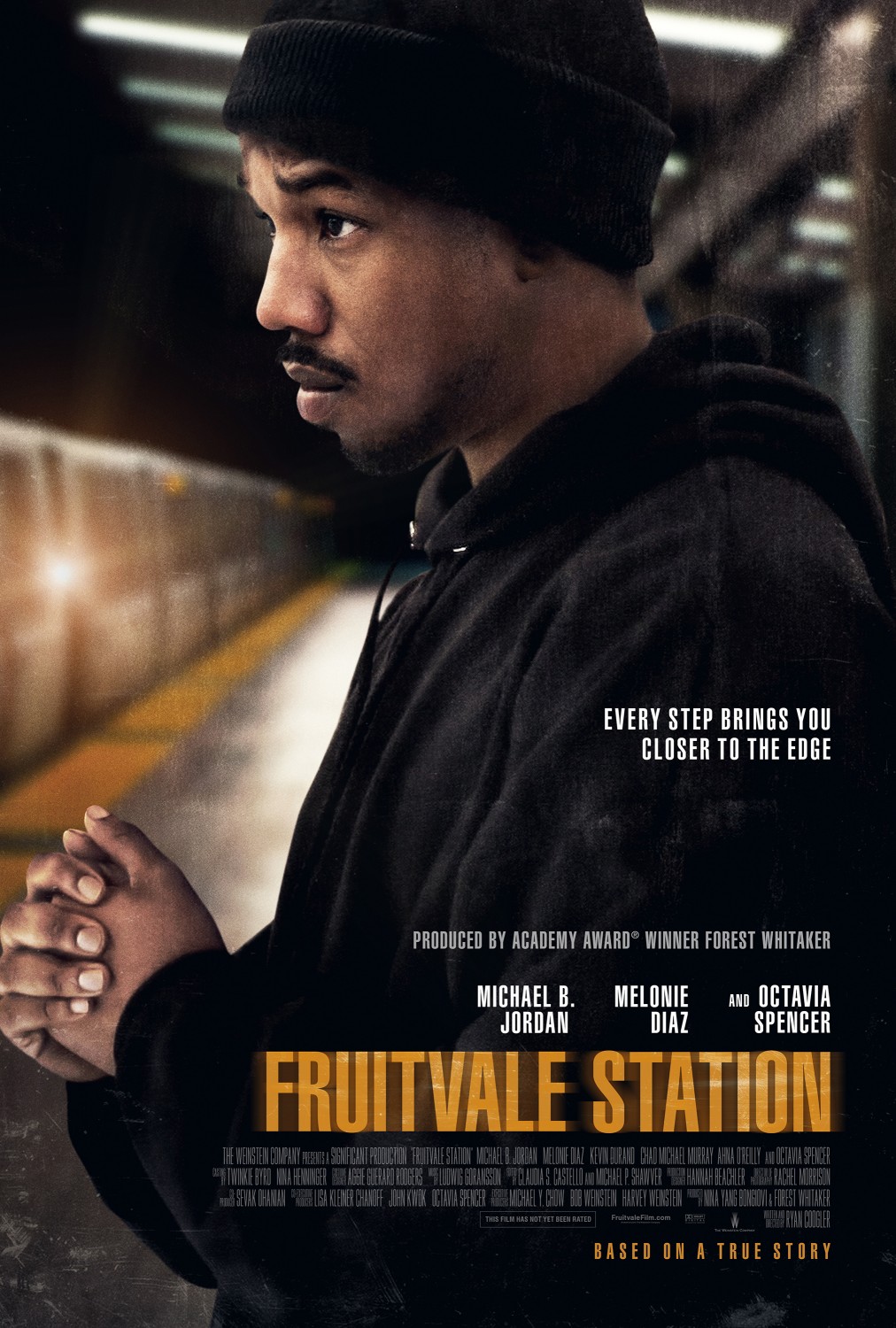
Fruitvale Station Script

fruitvale_station_ver2_xlg

The Fruitvale Station script was written by Ryan Coogler.